
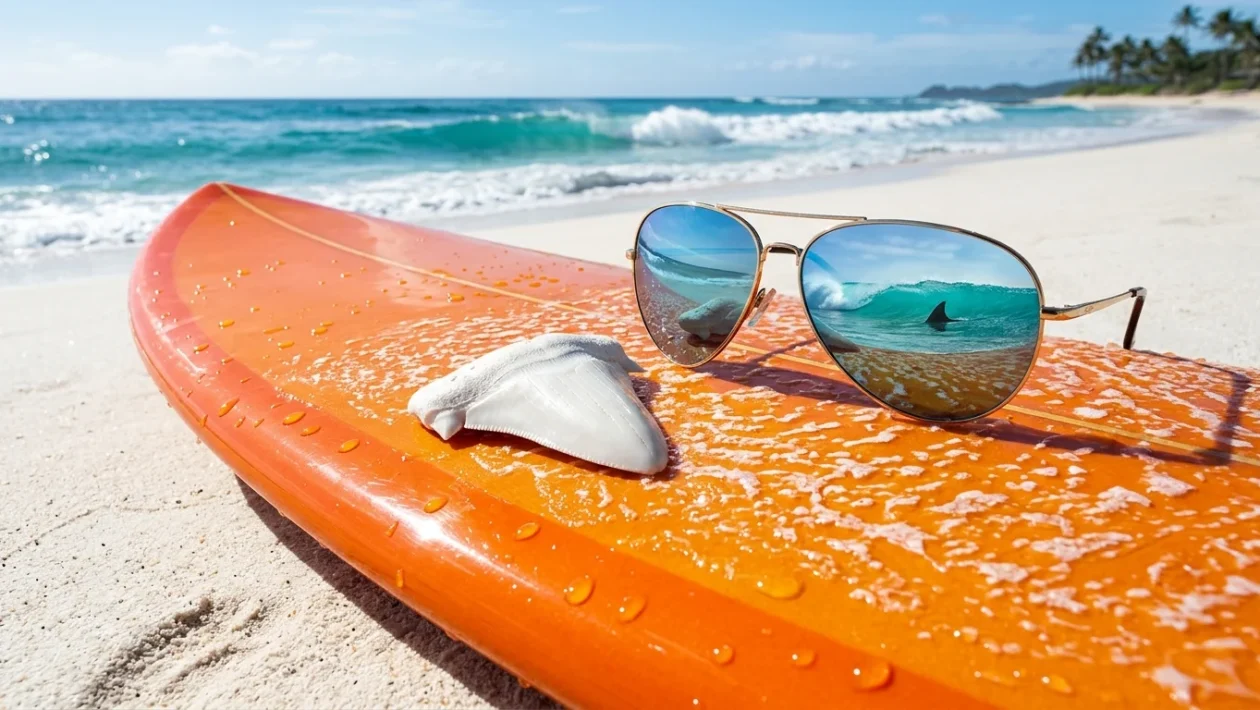
Sharks occupy a unique space in the American psyche. A 2024 poll by Chapman University revealed that people fear sharks more than earthquakes, hurricanes, and even murder.
Despite this widespread terror, fatal encounters remain exceedingly rare. According to the International Shark Attack File (ISAF), maintained by the Florida Museum of Natural History, there were only 65 unprovoked shark bites worldwide in 2025.
Of those global incidents, nine resulted in fatalities. Three additional deaths were categorized as provoked, meaning the human initiated the encounter in some way.
The American Bite Ratio
While survival rates are high, swimming in U.S. waters statistically increases your chances of a shark encounter. In 2026, the United States accounted for 38% of all shark bites worldwide.
Only one of those U.S. attacks proved fatal. In December, an experienced swimmer lost his life off the California coast.
This high volume of non-fatal bites aligns with centuries of data. ISAF researchers have tracked marine encounters back to the 16th century, recording more than 1,400 shark attacks in the U.S. since the 1500s.
That figure represents just under half of all global attacks and is more than double the count of any other nation. However, when it comes to lethal encounters, Australia holds the grim record with over 250 fatal attacks in its history.
A Numbers Game
The high frequency of U.S. shark attacks is largely a matter of geography and population density. The country boasts nearly 100,000 miles of coastline, or roughly 70,000 miles excluding the frigid waters of Alaska.
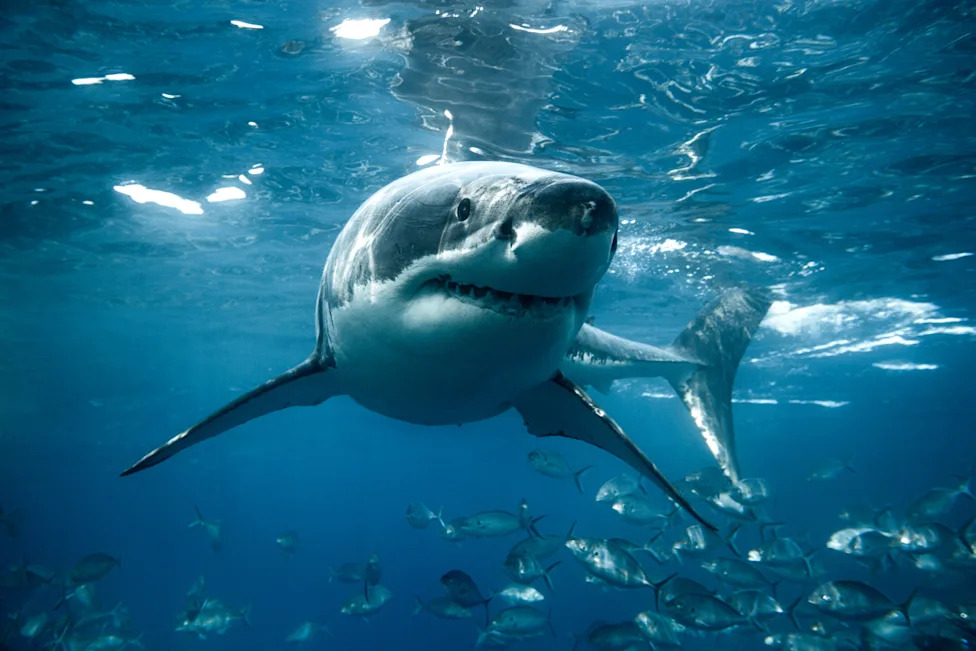
A shark cruising through shallow blue waters.
Coupled with that massive coastline is an immense beachgoing culture. Americans make an estimated 3.4 billion trips to the beach every year.
That creates 100 times more opportunities for human-shark overlap than in Australia, the runner-up for total historical attacks. Furthermore, U.S. coastal waters serve as natural habitats for the “big three” apex predators responsible for most fatal encounters: great whites, tiger sharks, and bull sharks.
Florida: The Shark Bite Capital
Shark encounters are highly localized. While California, Hawaii, and the Carolinas report frequent sightings, Florida dominates the statistics.
Last year, roughly 45% of all U.S. shark bites happened in the Sunshine State. Over the past 200 years, Florida has recorded five times as many attacks as any other state.
If Florida were an independent nation, it would rank first globally for total shark attacks.
Volusia County, which includes Daytona Beach, remains the epicenter of these incidents. The area attracts dense populations of both surfers and sharks. Fortunately, most bites here involve spinner and blacktip reef sharks, which are significantly smaller and less lethal than their apex relatives.
Mitigating the Risk
Statistically, the odds of dying from a shark bite remain drastically lower than being killed by a dog, fireworks, or a lightning strike.
For those looking to minimize their already low risk, ISAF Research Director Gavin Naylor recommends two practical guidelines:
- Avoid fishing grounds: Never enter the water where large schools of fish are present.
- Ditch the flash: Do not wear reflective jewelry in the ocean, as sharks can mistake the gleam for fish scales.


